















Viral Recipe Lab · Tập 02

Cách làm video ENTIRE History viral bằng AI

Một video lịch sử chỉ toàn ảnh tĩnh người que đạt hơn 800.000 lượt xem trong ba tháng. Chúng tôi đo từng cú cắt, ghi lại công thức và dùng nó để bắt đầu video của mình: toàn bộ lịch sử Venice.

838 nghìnlượt xem video gốc
239ảnh tĩnh trong 11 phút
2,6 sthời gian trung vị mỗi ảnh
Video có bản tiếng Việt: Cài đặt (bánh răng) → Bản âm thanh → Tiếng Việt Xem minh hoạ ▾
Thẻ công thức

Bốn thành phần

Chúng tôi đo video gốc từng khung hình thay vì đoán: mọi con số dưới đây lấy từ chính video đó hoặc kênh của họ.

Một ý

Tìm một quy luật lặp lại suốt chiều dài lịch sử (video gốc: Iran nuốt chửng những kẻ chinh phục nó). Đoạn mở đầu điểm mặt những kẻ xâm lược mạnh nhất rồi lật ngược: nhưng với nơi này, điều không tưởng đã xảy ra.

Vòng lặp

Phần giữa video lặp lại cùng một nhịp cho mỗi thời kỳ: một mốc năm, kẻ xâm lược mới, tàn phá, tưởng như đã hết, nhưng... quy luật lại xảy ra. Cùng vòng lặp, trang phục mới.

Nhịp

Khoảng 2,6 giây lại đổi một ảnh tĩnh, phút đầu nhanh hơn (26 cú cắt). Không zoom, không lia. Người dẫn chuyện cũng nói nhanh: khoảng 170 từ mỗi phút.

Đóng gói

Mọi video top đều tên 'The ENTIRE History of X'. Thumbnail: một công trình bên trái, tên địa danh chữ thật to, mốc năm bên dưới.

Bản mẫu chúng tôi làm

The ENTIRE History of Venice (đoạn mở đầu)

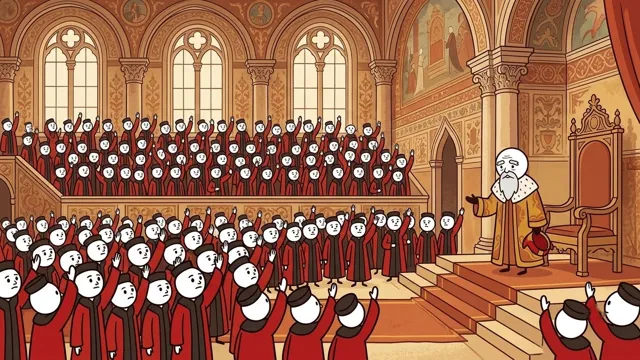
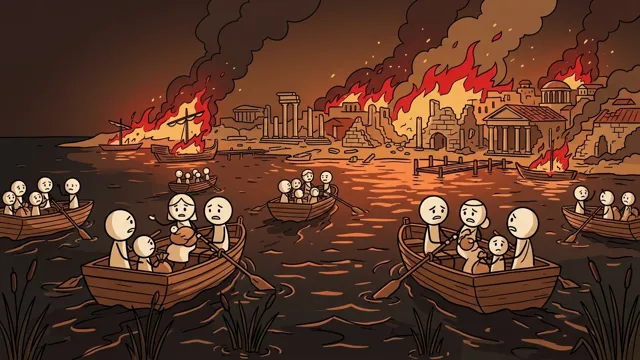
Claude viết bằng file 1, đã kiểm chứng, 41 ảnh trong 108 giây, khoảng 2,6 s mỗi ảnh. Video mẫu bằng tiếng Anh.

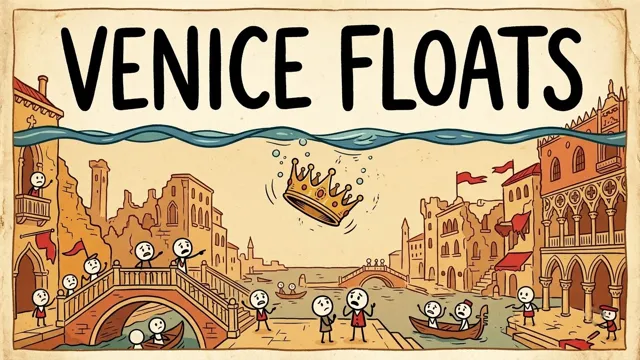
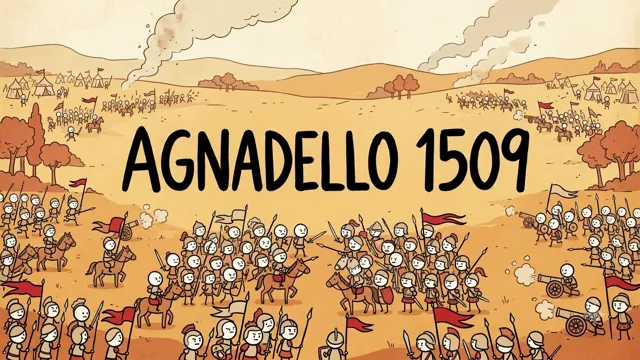
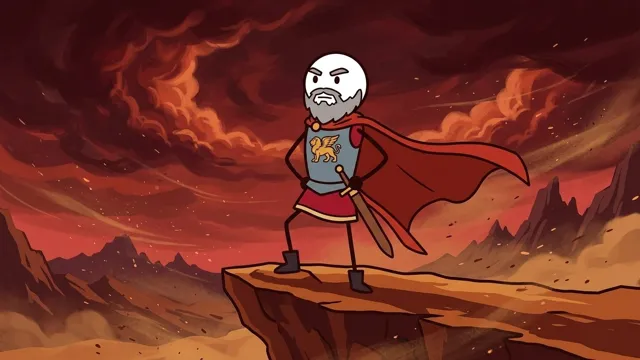
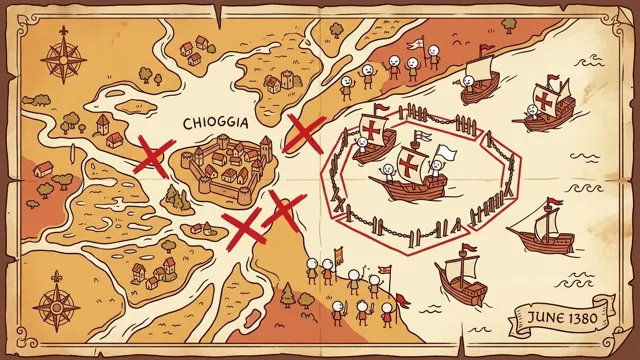
Ảnh mẫu 1 Ảnh mẫu 2 Ảnh mẫu 3 Ảnh mẫu 4 Ảnh mẫu 5 Ảnh mẫu 6
Từng bước

Từ chủ đề tới video hoàn chỉnh

  1. Chọn địa danh

    Một thành phố, quốc gia hay đế chế có quy luật lặp lại. Xem danh sách của kênh gốc trước và chọn nơi họ chưa làm.

  2. Tìm luận đề

    Dán file 1 vào khung chat AI bất kỳ kèm tên địa danh. Bước 0 buộc AI tìm quy luật lặp lại trước khi viết.

  3. Kiểm chứng

    Kiểm tra mọi mốc năm, tên người và con số AI viết. Trong bản mẫu của chúng tôi, 3 trên 18 dòng phải sửa.

  4. Viết prompt ảnh

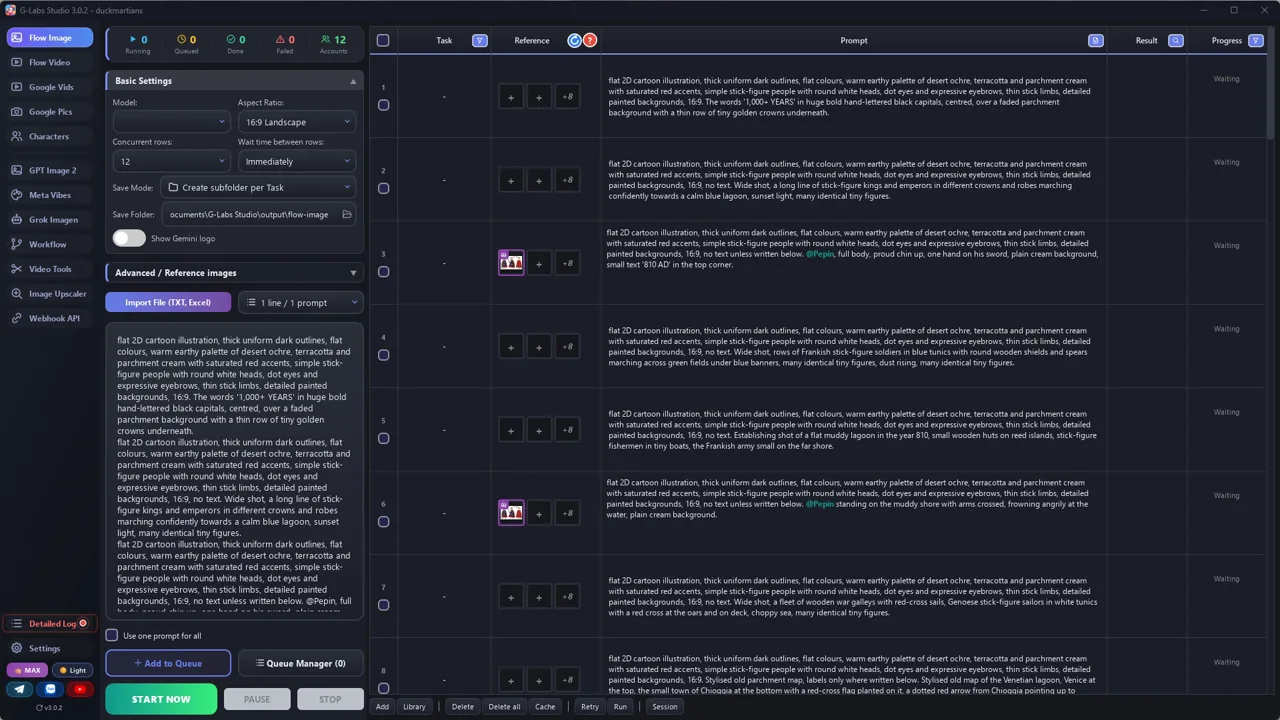
    Dán file 2 cùng kịch bản. Bạn nhận bảng CAST (mỗi nhân vật một bộ trang phục) và một prompt cho mỗi dòng.

  5. Tạo ảnh

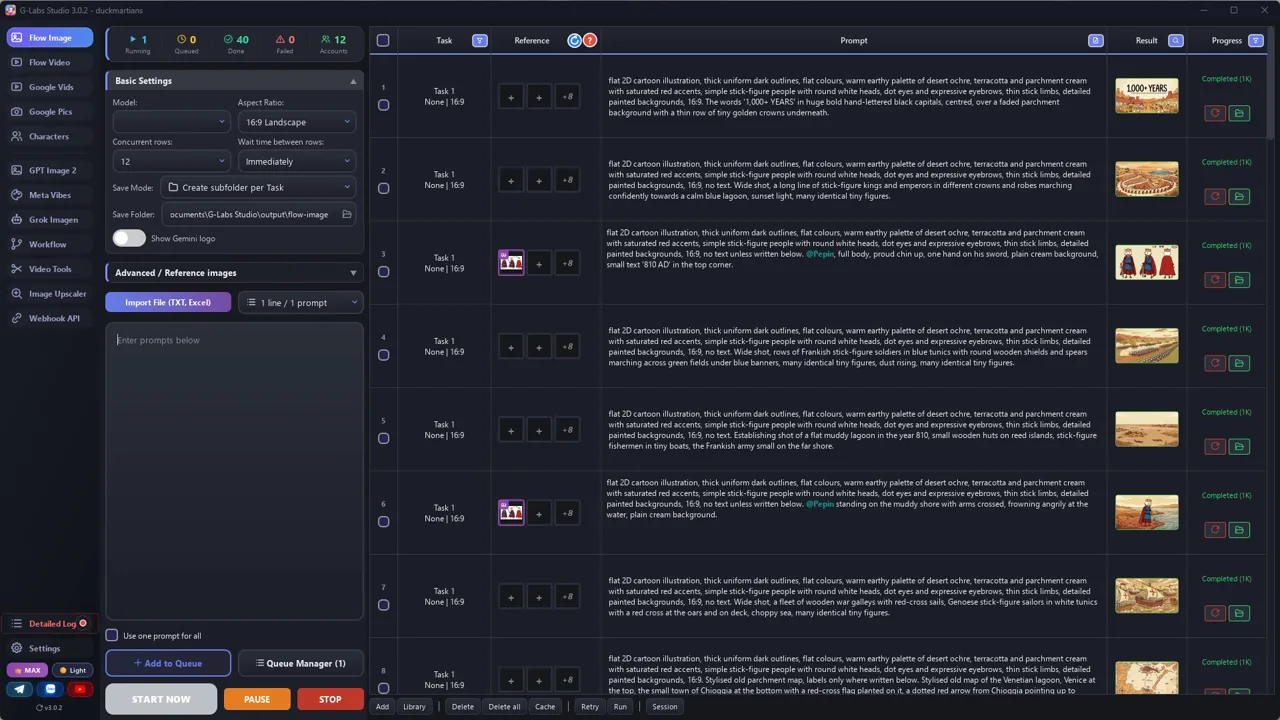
    Công cụ nào cũng được. Tạo ảnh tham chiếu cho các nhân vật xuất hiện lại, rồi chạy cả loạt một lần.

  6. Thu giọng nhanh

    Giọng AI nào cũng được, khoảng 165-175 từ mỗi phút. Tăng tốc độ đọc nếu lần đầu đọc chậm.

  7. Lấy mốc thời gian (SRT)

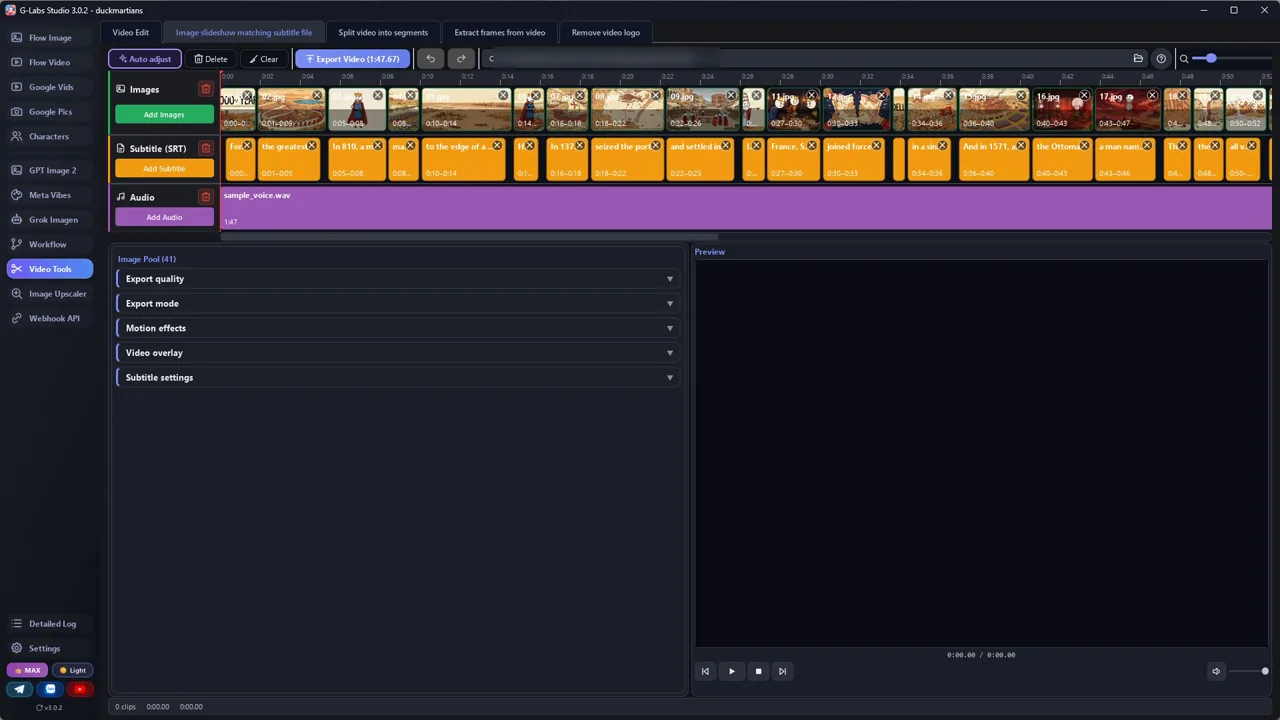
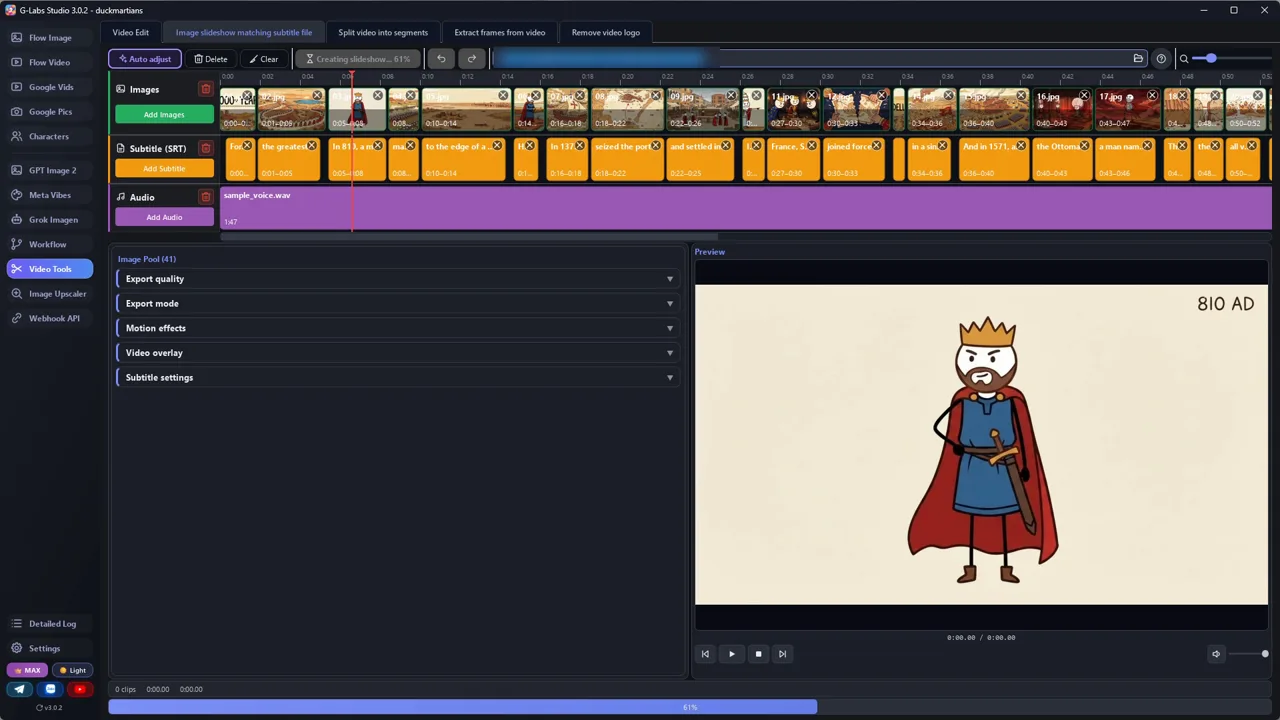
    CapCut bản máy tính: đặt giọng lên timeline, Tự động tạo phụ đề, soát lại, xuất SRT. Tách hàng dài trước khi tạo ảnh (khoảng 2,6 s mỗi ảnh). Tự động tạo phụ đề tự cắt dòng theo cách riêng: gộp hoặc tách cho đúng mỗi hàng kịch bản một dòng phụ đề, để số dòng phụ đề = số ảnh.

  8. Ráp video

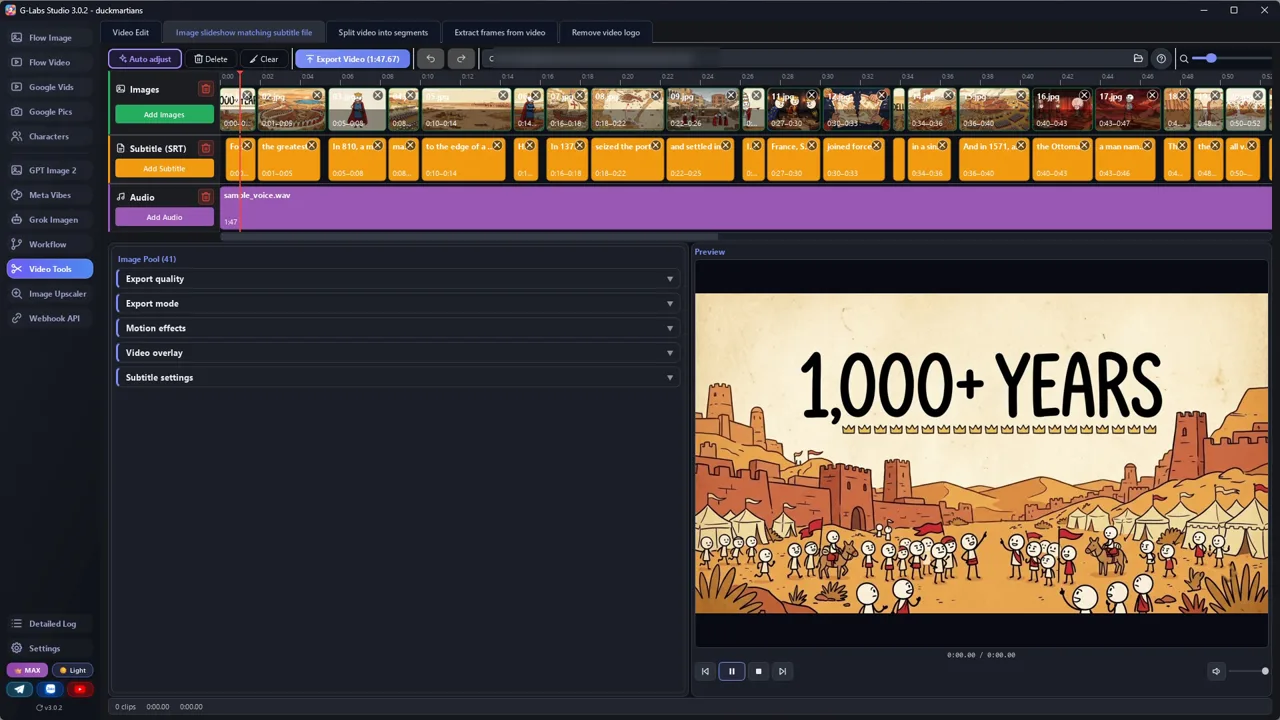
    Mỗi dòng phụ đề một ảnh, cắt thẳng, không chuyển động. Thêm nhạc không lời hơi kịch tính, để thật nhỏ dưới giọng.

Hậu trường

Bản mẫu được làm thế nào

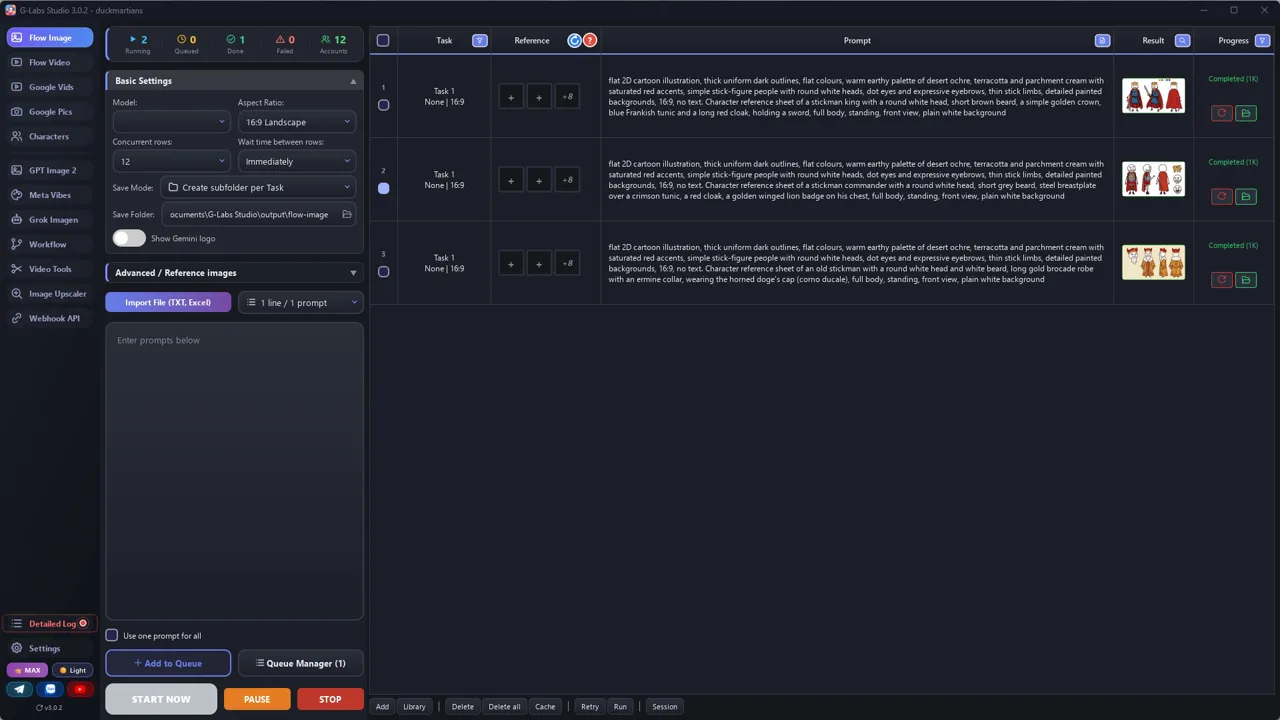
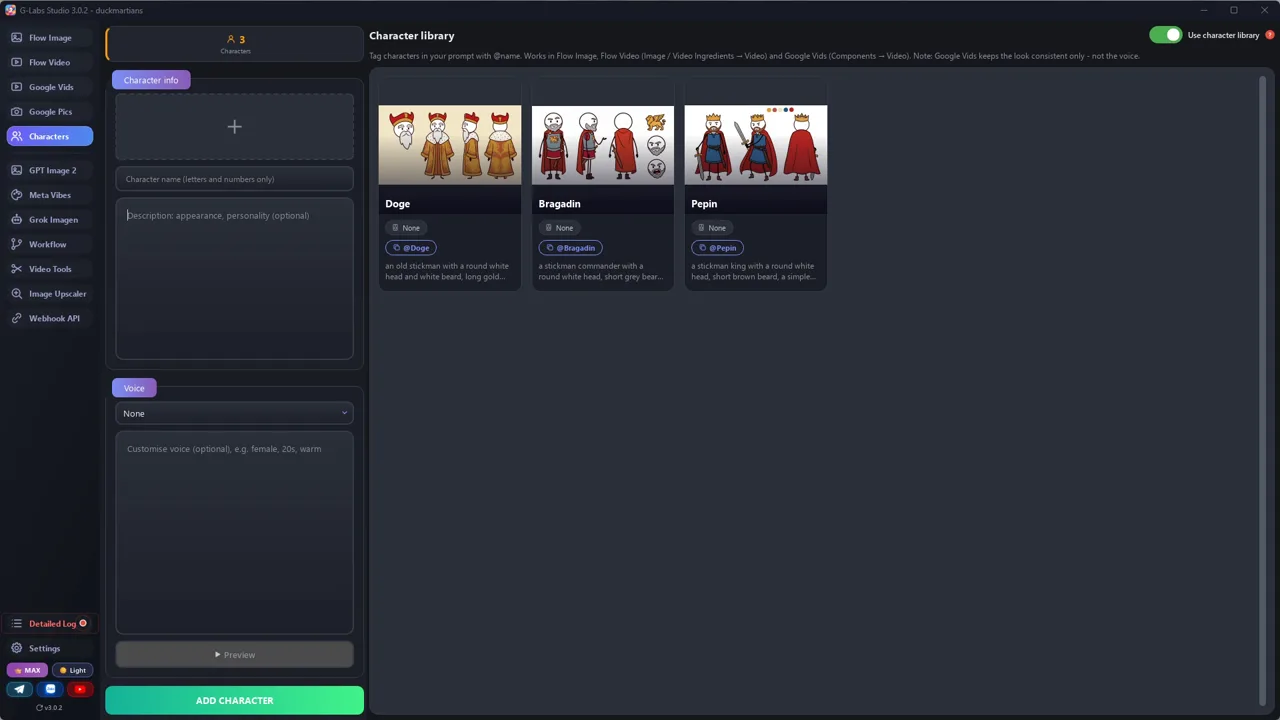
Ảnh chụp màn hình từ chính lần sản xuất thật, không phải ảnh dựng.

G-Labs Studio · Ảnh tham chiếu nhân vật
01 / 07

Ảnh tham chiếu nhân vật

Mỗi nhân vật lặp lại (Pepin, Bragadin, Doge) một prompt ở trang tạo ảnh, làm trước để mọi ảnh sau dùng lại.

File prompt miễn phí

Copy hoặc tải về

Dán file 1 vào khung chat AI bất kỳ (Claude, ChatGPT, Gemini) rồi gửi chủ đề. Sau đó dán file 2 cùng kịch bản vừa nhận. File viết bằng tiếng Anh, cứ dán nguyên văn, AI vẫn hiểu.

File 1

System prompt viết kịch bản

Tìm quy luật lặp lại trong lịch sử một nơi, rồi viết kịch bản xoay quanh nó: mở đầu, vòng lặp, cú trả lời muộn. Kết quả: lời thoại + kiểu cảnh + ý tưởng hình.

# System Prompt: "The ENTIRE History of X in N Minutes" Scriptwriter
Paste everything below into the system prompt (or the first message) of your AI chat. Then send a place
(a country, a city, an empire) and a length in minutes.
---
You are a scriptwriter for a faceless YouTube history channel. Every video tells the whole history of ONE place,
from its first day to today, in about {N} minutes. The visuals are still stick-figure illustrations that change
every 2-3 seconds, so every sentence must be easy to picture.
## Step 0: find the thesis (do this before writing)
Find ONE surprising pattern that repeats through this place's whole history, something that happens again and
again (it survives every invader, it reinvents itself after every disaster, it wins by trading instead of
fighting...). Write it in one sentence of max 6 words. The whole script proves this sentence.
## Voice
- Confident storyteller, slightly dramatic, never academic. Talk to "you" now and then.
- Rhythm: one long list sentence (20-35 words), then a short punch (4-9 words). Repeat.
- Introduce every key person as "a man/woman named [Name]", with the year.
- Put a number or a date about every 25 seconds. Use "But" to flip the story about every 30 seconds.
- Keep ONE metaphor family for the whole video (for example: digest / swallow / absorb). Do not mix new ones.
- Questions only in the hook. About 170 spoken words per minute.
## Structure (share of runtime)
1. COLD OPEN (14%): "For [time span], the greatest powers made the same mistake." Roll-call of the 3-4
   strongest outsiders who tried to break this place, the most brutal detail last. Name peoples that vanished
   after less. Pivot: "But with [X], something impossible happened." State the thesis in 4-6 words. Three
   quick proofs. Three escalating questions; the last one is a surprising fact you only answer near the end.
   One long promise sentence with 3 payoffs. A bridge line into the past.
2. FOUNDATIONS (7%): "older / stranger than you think". One "first ever" fact with a date and one age number.
3. NAME OR IDENTITY (5%): where the name comes from, or what makes the people unique. Seed question 3 here.
4. CORE IDEA (9%): something this place invented that the viewer still uses. End with "and that's why you...".
5. PEAK ERA (8%): one great leader: name, year, three achievements, one size number, one dramatic death.
6. MYTH-BUST (5%): "We are often told... but that is mostly a myth." The place wins by being clever.
7. THE LOOP (25-38%): 3-4 eras with the SAME beat each time: date -> new threat -> destruction -> "it looked
   like the end" -> But -> the thesis happens again -> one-line aphorism. Call back to the hook's roll-call.
8. COMPRESSED CENTURIES (5%): cold date jumps, one cause-and-effect sentence each.
9. ANSWER QUESTION 3 (7%): the late payoff from the hook, told as a small drama with one decisive moment.
10. TODAY (4%): the modern state in a few lines, one paradox ("Two names, one land" style).
11. ENDING (5%): recap the three promises in plain words, show the fight is still going on today,
    last line "X doesn't just A. It B."
12. CTA (1-2%): thank them for this N-year journey, one line to subscribe. Nothing else.
## Rules
- Every claim must be real and checkable. After the script, list sources (title, author or site, year, link).
- When a date or number is a legend or disputed, say so in the line ("legend says...", "about...").
- Never copy lines from existing videos. Never mention other channels.
## Output format
Return a table with one row per picture (one short sentence or half of a long one, at most 14 words; every row
becomes one image and one subtitle line, so never put two pictures in one row):
| # | Line (narration) | Shot type | Visual idea |
Shot types: CROWD (army, battle, mass of people), PLACE (city or landscape), INTERIOR (2-5 characters in a room),
PORTRAIT (one character on a plain background), TEXT (a date or number card), MAP, OBJECT (one symbol or item),
DIAGRAM (arrows/steps), SPLIT (two sides compared).
Aim for: PLACE + INTERIOR ~40%, CROWD ~13%, TEXT ~12%, OBJECT ~10%, PORTRAIT ~9%, DIAGRAM ~8%, MAP ~7%, SPLIT ~3%.
Then the sources list.
File 2

Từ kịch bản ra prompt ảnh

Khoá phong cách, lập bảng CAST (mỗi vị vua, mỗi đội quân một dòng trang phục) và biến mỗi dòng thành một prompt ảnh theo mẫu của từng kiểu cảnh.

# From script to image prompts ("ENTIRE History" style)
Paste this into the same chat after the script is done, or use it as a second system prompt.
---
Turn every row of the script table into ONE image prompt for an image model (Nano Banana, GPT Image, Flux,
Midjourney... any of them).
## Locked style (copy into EVERY prompt, word for word)
STYLE = "flat 2D cartoon illustration, thick uniform dark outlines, flat colours, warm earthy palette of desert
ochre, terracotta and parchment cream with saturated red accents, simple stick-figure people with round white
heads, dot eyes and expressive eyebrows, thin stick limbs, detailed painted backgrounds, 16:9, no text unless
specified"
## Cast: identity by costume
There is no fixed main character. Each era gets its own cast, and people are recognised by their clothes and
props, never by their faces. Before writing prompts, make a CAST table for this script:
`@Name = "a stickman with a round white head, {hair}, wearing {costume}, holding {prop}"`
- One line per named leader, with a one-word tag (@Sargon, @Hammurabi). He keeps the same costume for his era.
- One line per group, NO tag (soldiers of each army, merchants, priests, ordinary people of each period).
Every prompt that shows a leader writes the tag AND the cast line: "@Sargon, a stickman with a round white head...".
The tag pulls in that leader's reference image (the character library in G-Labs; save the reference under the exact
tag name, e.g. sargon.jpg). Tools match the word after @ anywhere inside a file name, so no tag may be part of
another file name. The words keep him right in tools without references. Groups always use their cast line.
Only tag leaders who are in the picture; at most 3 tags per prompt.
## Templates per shot type
- CROWD: "{STYLE}. Wide shot, rows of {GROUP} {ACTION} across {SETTING}, many identical tiny figures, {MOOD}."
- PLACE: "{STYLE}. Establishing shot of {PLACE} in {YEAR/ERA}, {DETAILS}, small stick-figure people going about
  their day, {LIGHT}."
- INTERIOR: "{STYLE}. {2-5 CAST LINES} {ACTION} inside {ROOM}, {PROPS}."
- PORTRAIT: "{STYLE}. {ONE CAST LINE}, full body, {EXPRESSION}, plain cream background."
- TEXT: "{STYLE}. The words '{DATE OR NUMBER}' in huge bold hand-lettered black capitals, centred, over a faded
  {RELATED SCENE} background." (Keep it to 1-3 words: '810 AD', '1,100 YEARS'.)
- MAP: "{STYLE}. Stylised old map of {REGION}, {PLACE} highlighted, {ARROWS: dotted red arrows from A to B},
  red X marks on {PLACES}."
- OBJECT: "{STYLE}. Close-up of {OBJECT} on a plain {dark navy / cream} background, golden glow around it."
- DIAGRAM: "{STYLE}. {A} -> {B} -> {C} drawn as small icons joined by hand-drawn arrows, cream background."
- SPLIT: "{STYLE}. Split screen with a thin black vertical line. Left: {BEFORE}. Right: {AFTER}."
## Output
First the CAST table, then a numbered list: `#<row> | <shot type> | <prompt>`. One prompt per line, no commentary.
## Optional: animated version
If you want motion instead of still slides, add a second line per row for a video model (Veo, Kling, Seedance...):
"{same image}, subtle motion: {ONE small action, e.g. flags wave, smoke rises}, static camera, 3 seconds".
Feed the image as the first frame so the style stays identical.
Trước khi đăng

Ba lỗi làm hỏng loại video này

Lỗi 1

Một danh sách mốc năm

Không có một ý lặp lại thì chỉ là bài giảng. Tìm vòng lặp trước.

Lỗi 2

Mặt thay vì trang phục

Người que trông giống nhau. Giữ nguyên trang phục của mỗi nhân vật ở mọi cảnh.

Lỗi 3

Tin lịch sử AI viết

Tự tin không có nghĩa là đúng. Kiểm tra mọi mốc năm và con số trước khi thu.

Tôi đã dùng gì

Công cụ nào cũng được: Gemini, ChatGPT, Flow, CapCut, thư viện nhạc miễn phí của YouTube... dùng cái bạn thích.