















Viral Recipe Lab · Tập 06

Truyện gia đình đầu trái cây bằng AI

Một phim hoạt hình đầu trái cây 15 phút đạt 825 nghìn lượt xem trong 8 ngày trên một kênh chỉ có 7,4 nghìn người đăng ký. Chúng tôi đặt từng câu thoại cạnh các cảnh quay xung quanh nó, tự làm một truyện cùng công thức và giữ lại mọi prompt.

825 nghìnlượt xem trong 8 ngày, kênh 7,4 nghìn người đăng ký
17%thời lượng có lời, mỗi câu 2 chữ
15cú cắt mỗi phút, sau mỗi câu là một hình ảnh
Video có bản tiếng Việt: Cài đặt (bánh răng) → Bản âm thanh → Tiếng Việt Xem minh hoạ ▾
Thẻ công thức

Bốn thành phần

Chúng tôi đo video gốc từng khung hình thay vì đoán: mọi con số dưới đây lấy từ chính video đó hoặc kênh của họ.

Khung truyện mượn lại

Cùng cốt truyện với các kênh Slow English lớn: bừa bộn vui vẻ, bị phát hiện, cuộc gọi kèm hạn chót, càng sửa càng tệ, một ý tưởng hiệu quả, bố mẹ về nhà.

Gia đình đầu trái cây

Nhân vật nào cũng có đầu là một trái cây trên thân hình nhỏ: nhận ra chỉ trong một khung hình. Prompt nào cũng gọi tên trái cây để đầu không biến thành đầu người.

Hình ảnh kể chuyện

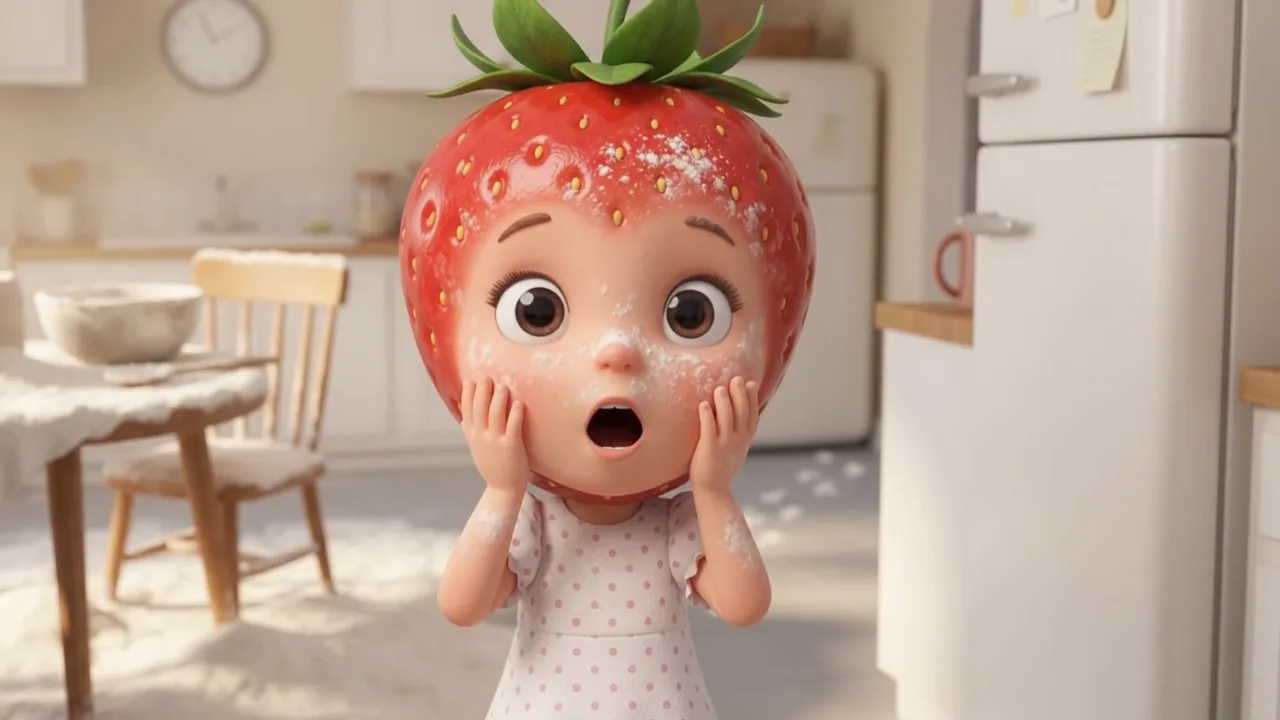
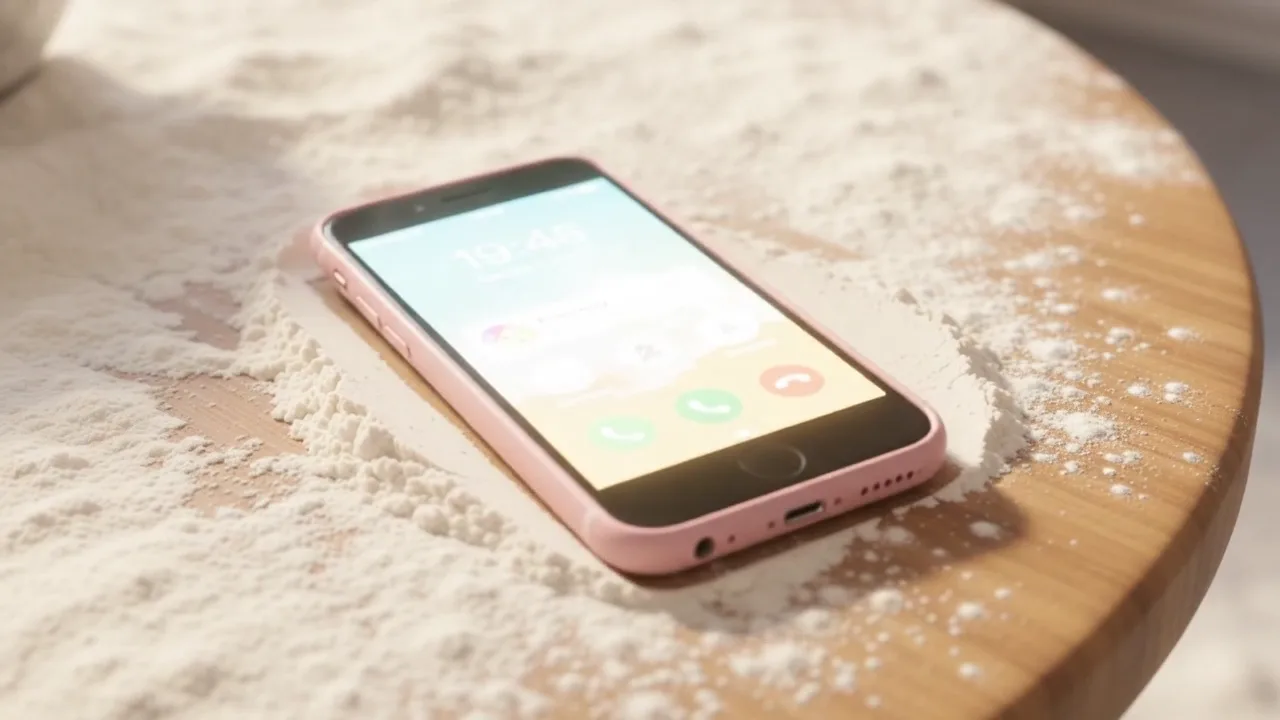
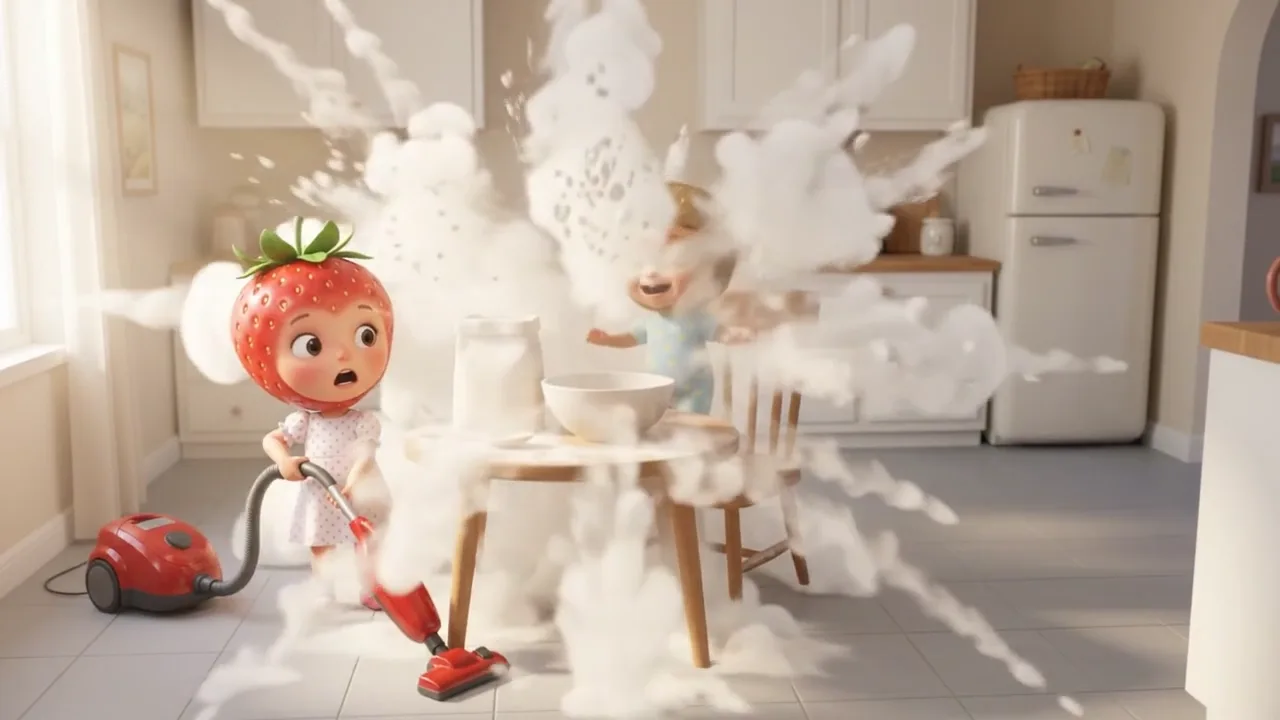
Một câu hai chữ, rồi đến hình ảnh mang câu chuyện đi tiếp: cảnh lộ ra bãi bừa bộn, một gương mặt sững sờ, hoặc một đồ vật như chiếc điện thoại.

Bừa bộn giữ nguyên

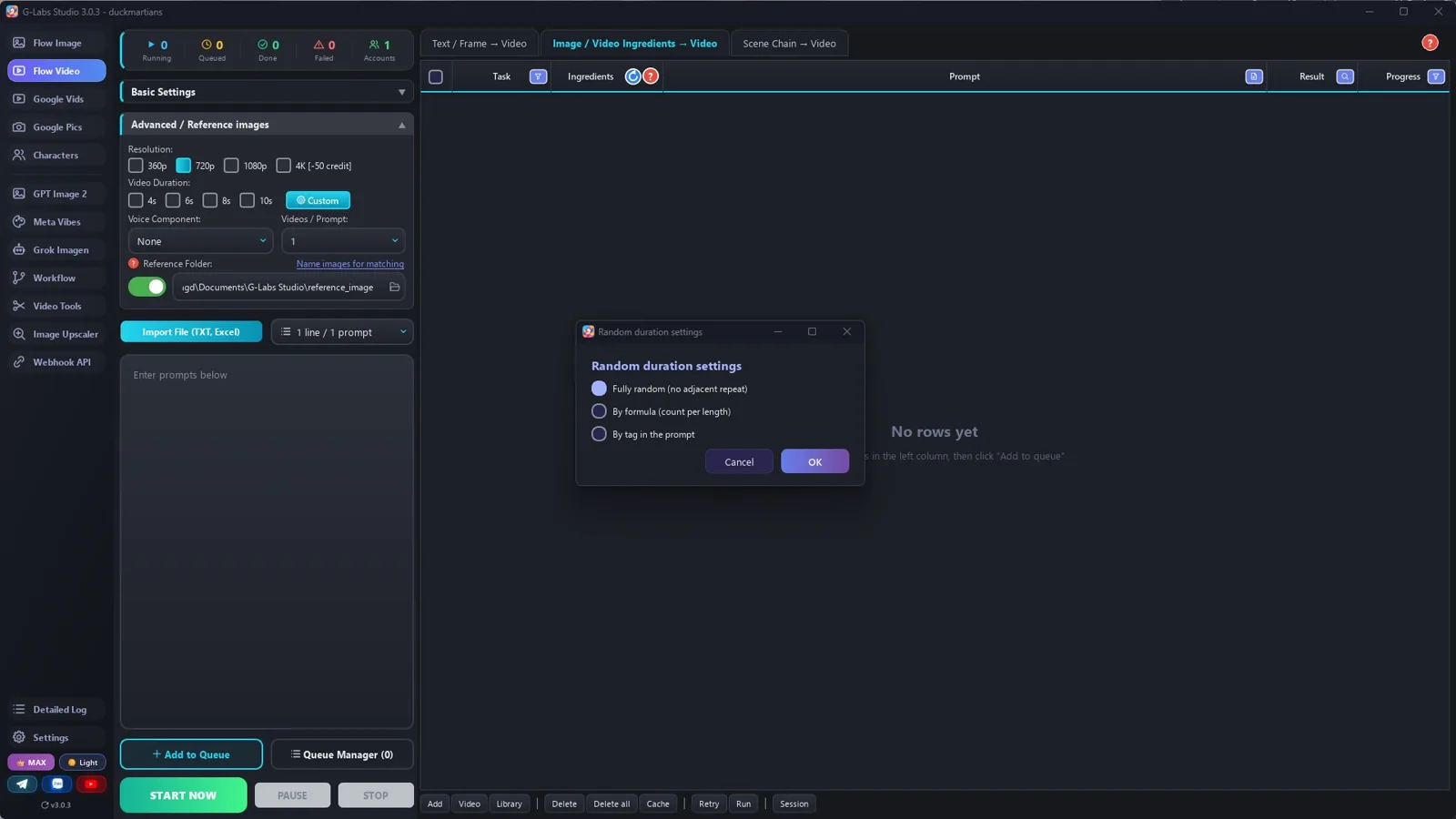
Mỗi trạng thái căn phòng một ảnh bối cảnh (sạch, phủ bột) và prompt nào cũng nói căn phòng bừa đến đâu. Mỗi prompt có dòng SOUND, vì trẻ em xem có bật tiếng.

Bản mẫu chúng tôi làm

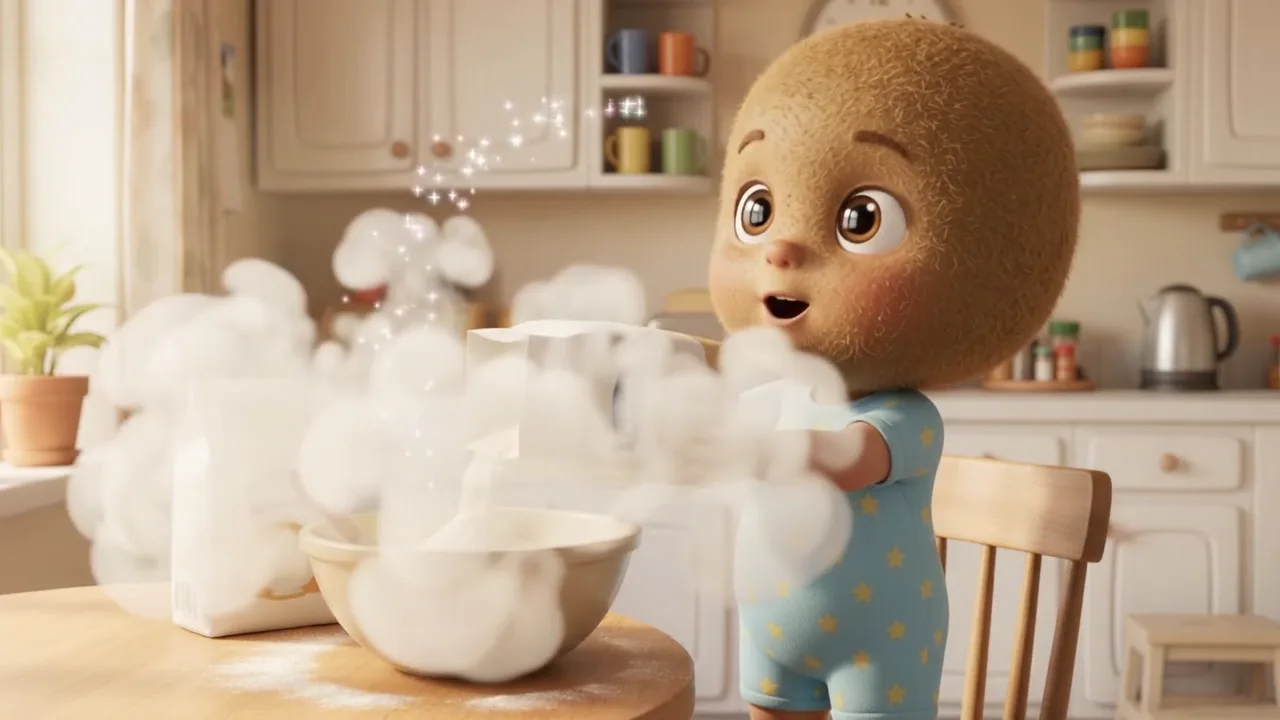
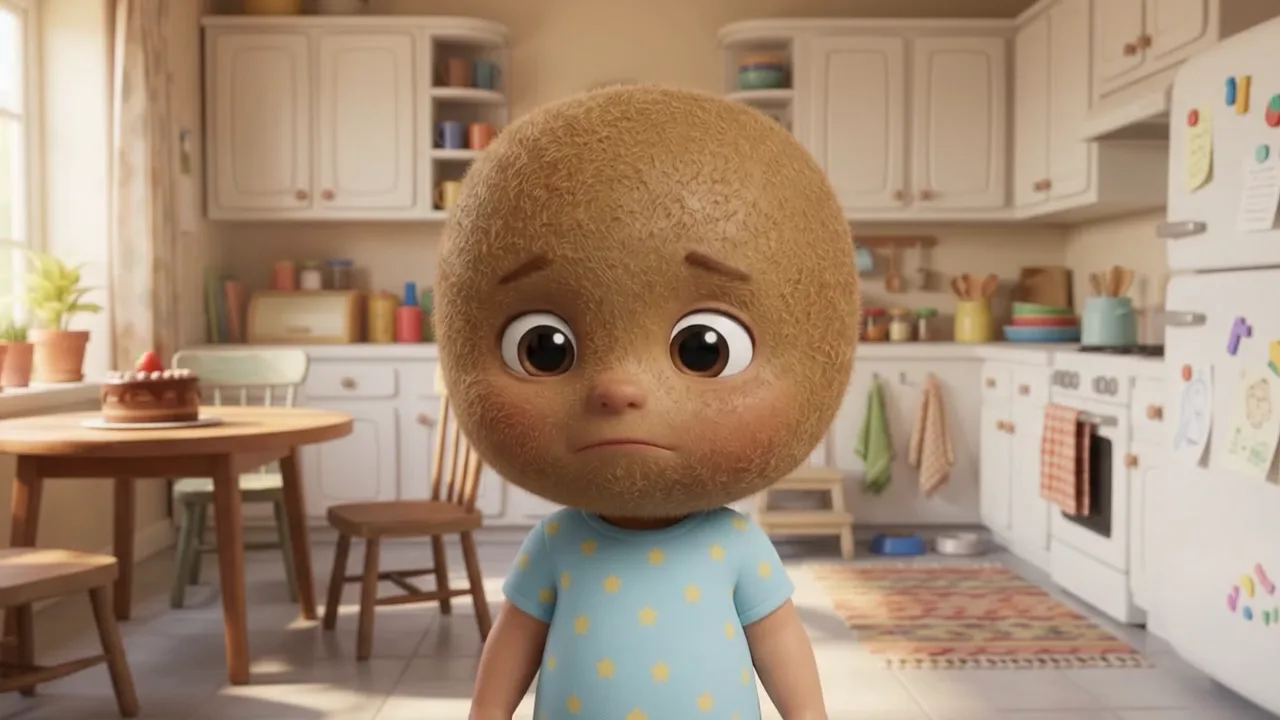
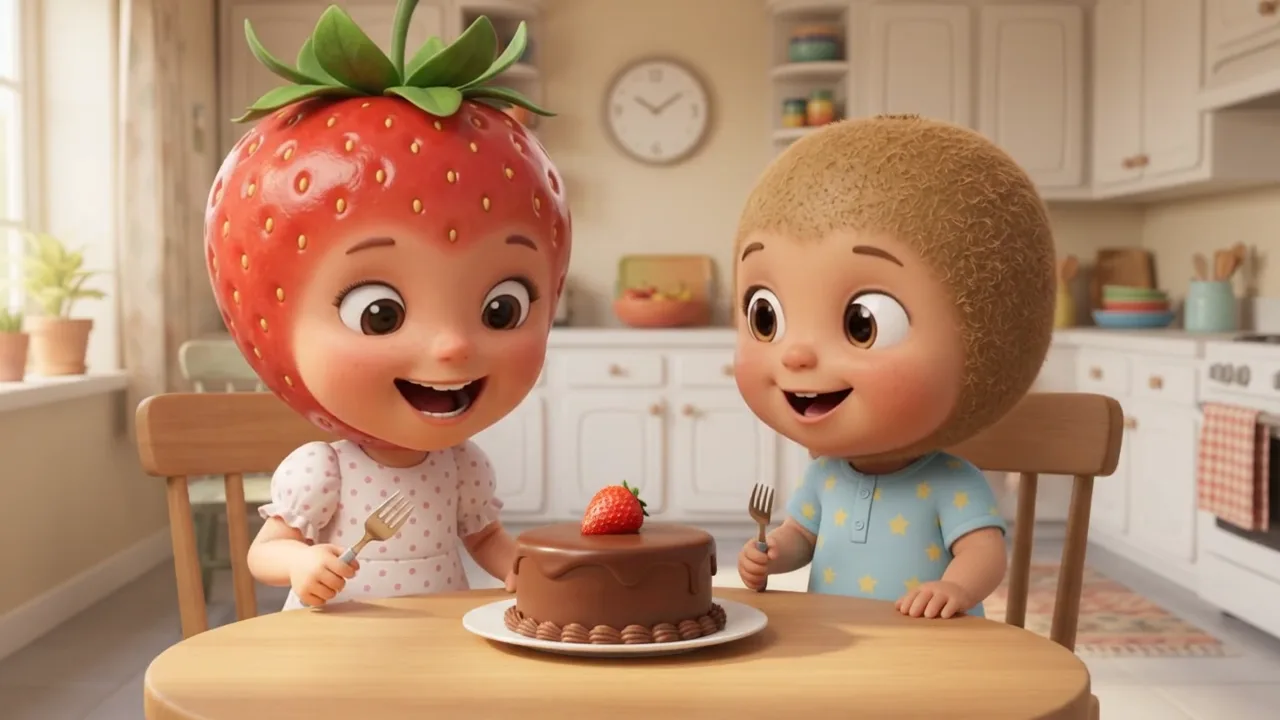
Kiko làm đổ bột khắp bếp... Rubi có dọn kịp trước khi mẹ về?

3 nhân vật, 2 ảnh bối cảnh, 42 clip, 3:08. Hư cấu: mọi nhân vật đều do chúng tôi đặt ra. Phim mẫu bằng tiếng Anh.

Ảnh mẫu 1 Ảnh mẫu 2 Ảnh mẫu 3 Ảnh mẫu 4 Ảnh mẫu 5 Ảnh mẫu 6
Từng bước

Từ chủ đề tới video hoàn chỉnh

  1. Viết truyện

    Dán file 1 vào AI chat bất kỳ kèm gia đình, bối cảnh và bãi bừa bộn của bạn. Xin 8 clip đầu, rồi gõ "continue" đến hết truyện.

  2. Tạo gia đình

    Mỗi nhân vật một bảng đầu trái cây từ file 2, cộng một ảnh sạch và một ảnh bừa cho mỗi căn phòng, lưu dưới tag không ai nói ra trong thoại.

  3. Lưu giọng

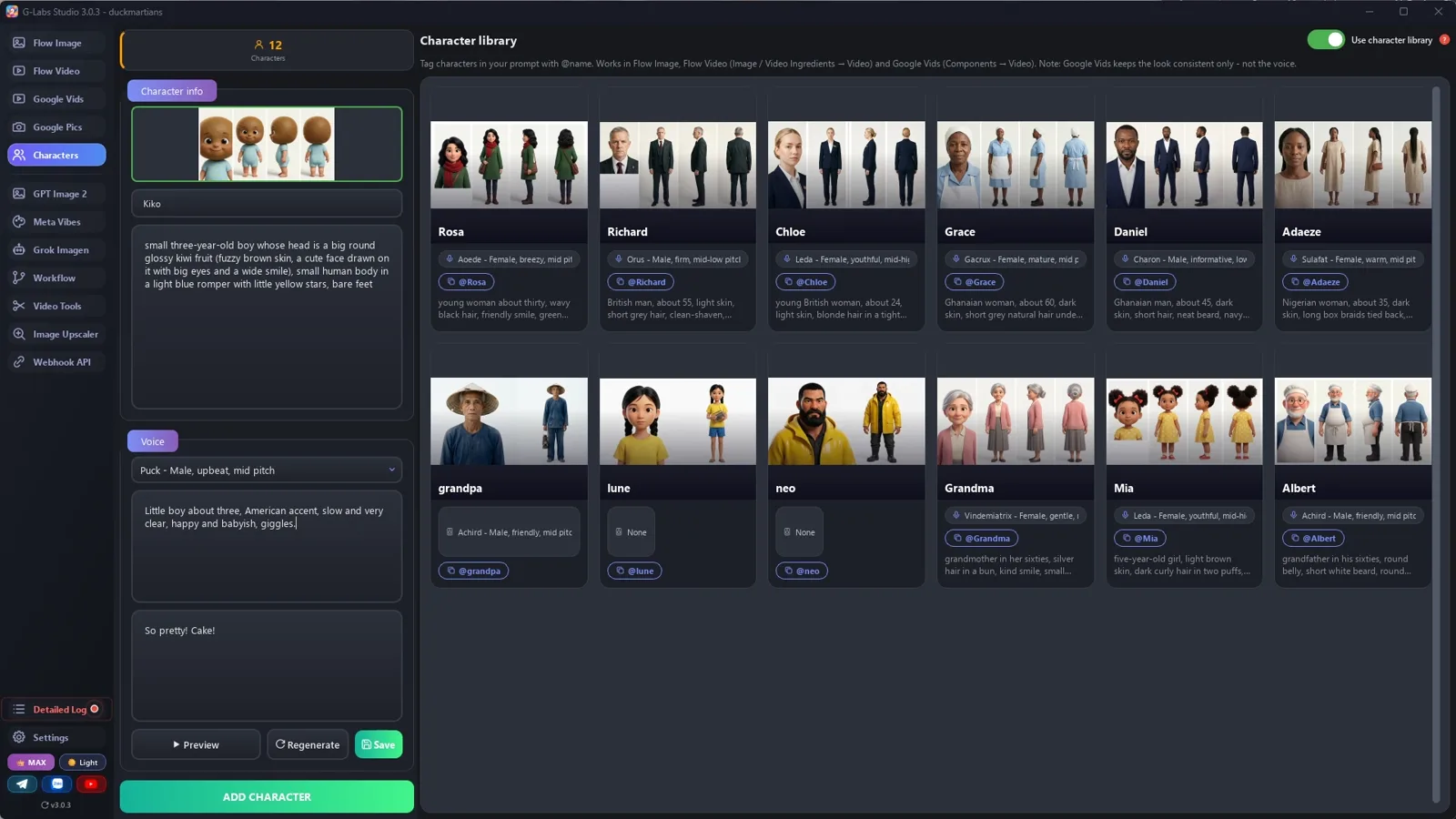
    Thêm từng nhân vật vào thư viện với bảng nhân vật và giọng mô tả chậm, thật rõ. Dùng tên chưa có trong thư viện.

  4. Thiết lập clip

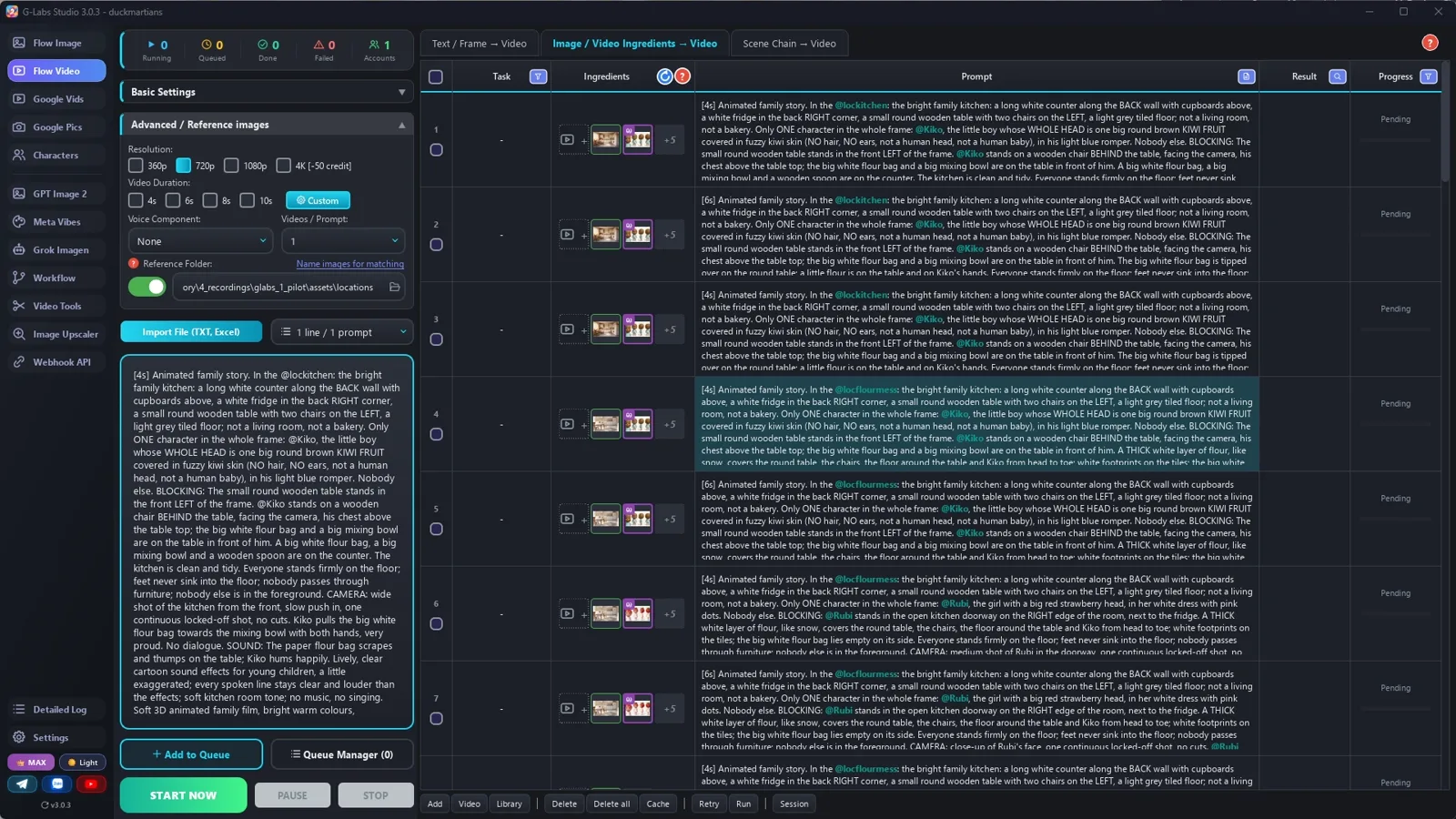
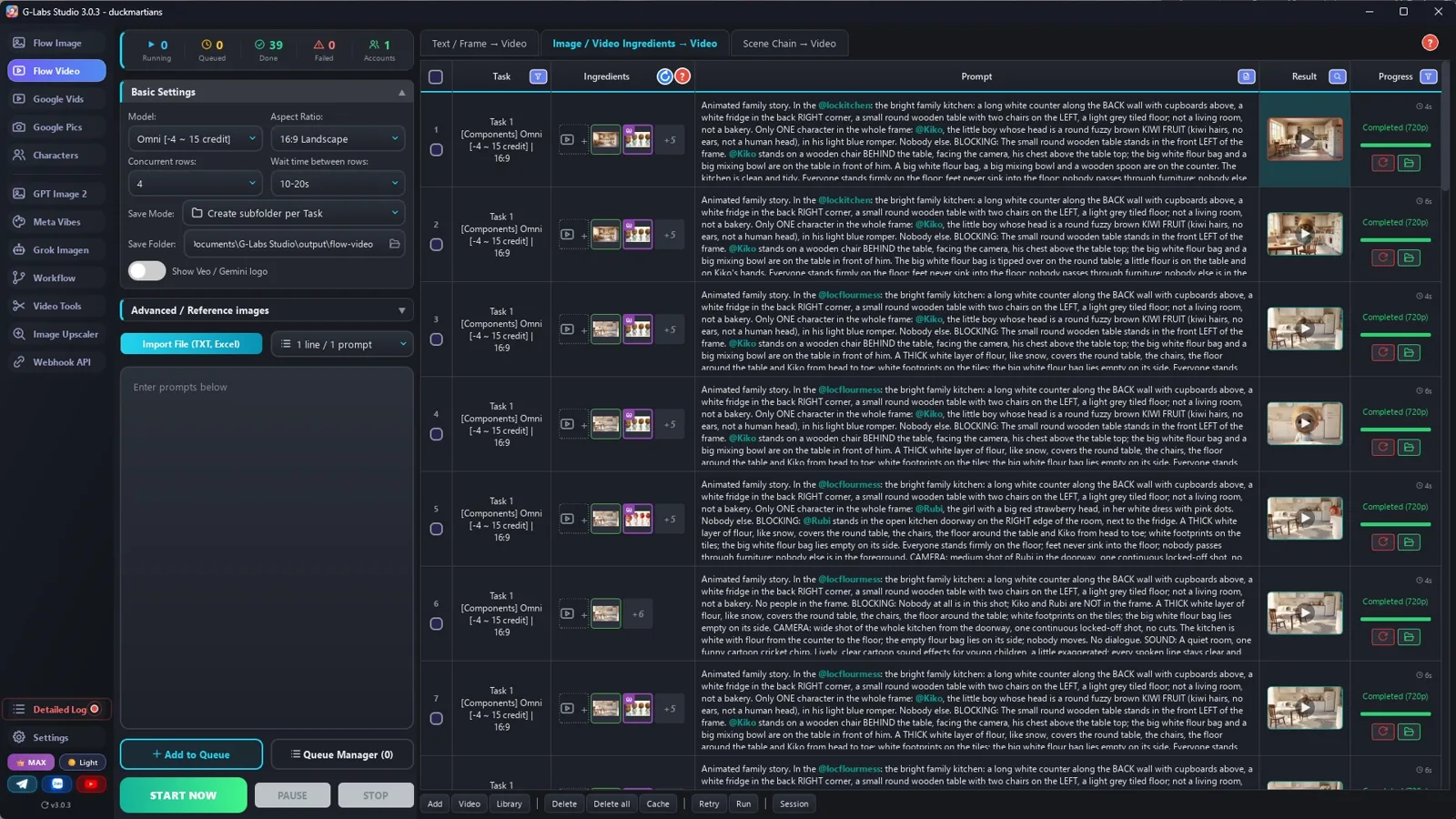
    Video từ thành phần (Omni), 720p, 4 clip một lúc. Trong cài đặt nâng cao: thời lượng Ngẫu nhiên theo tag trong prompt, và thư mục ảnh bối cảnh.

  5. Tạo và soát

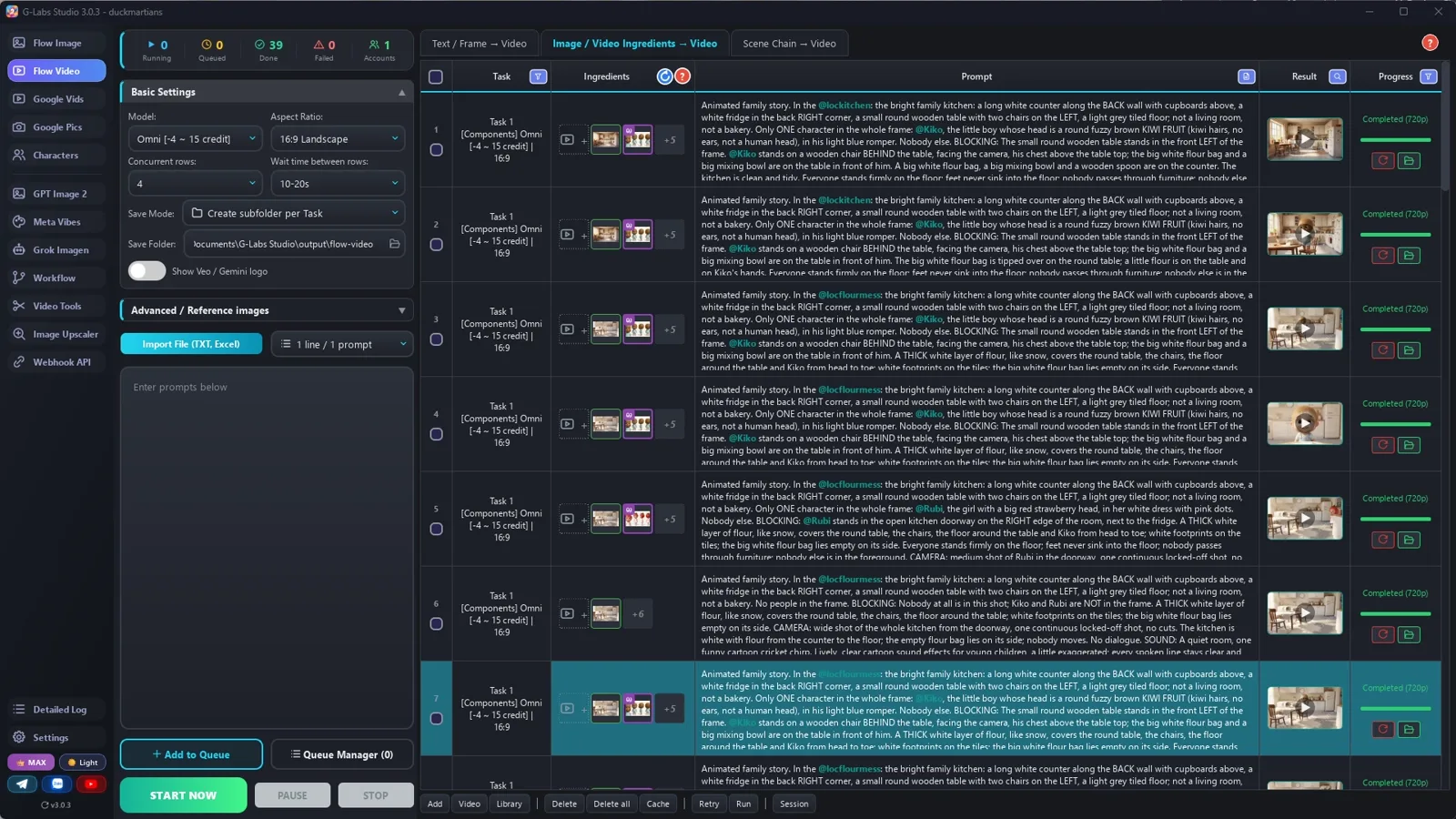
    Dán tất cả dòng clip một lượt. Soát từng khung của từng clip, sửa dòng lỗi ngay trên bảng rồi chạy lại riêng dòng đó.

  6. Thêm nhạc

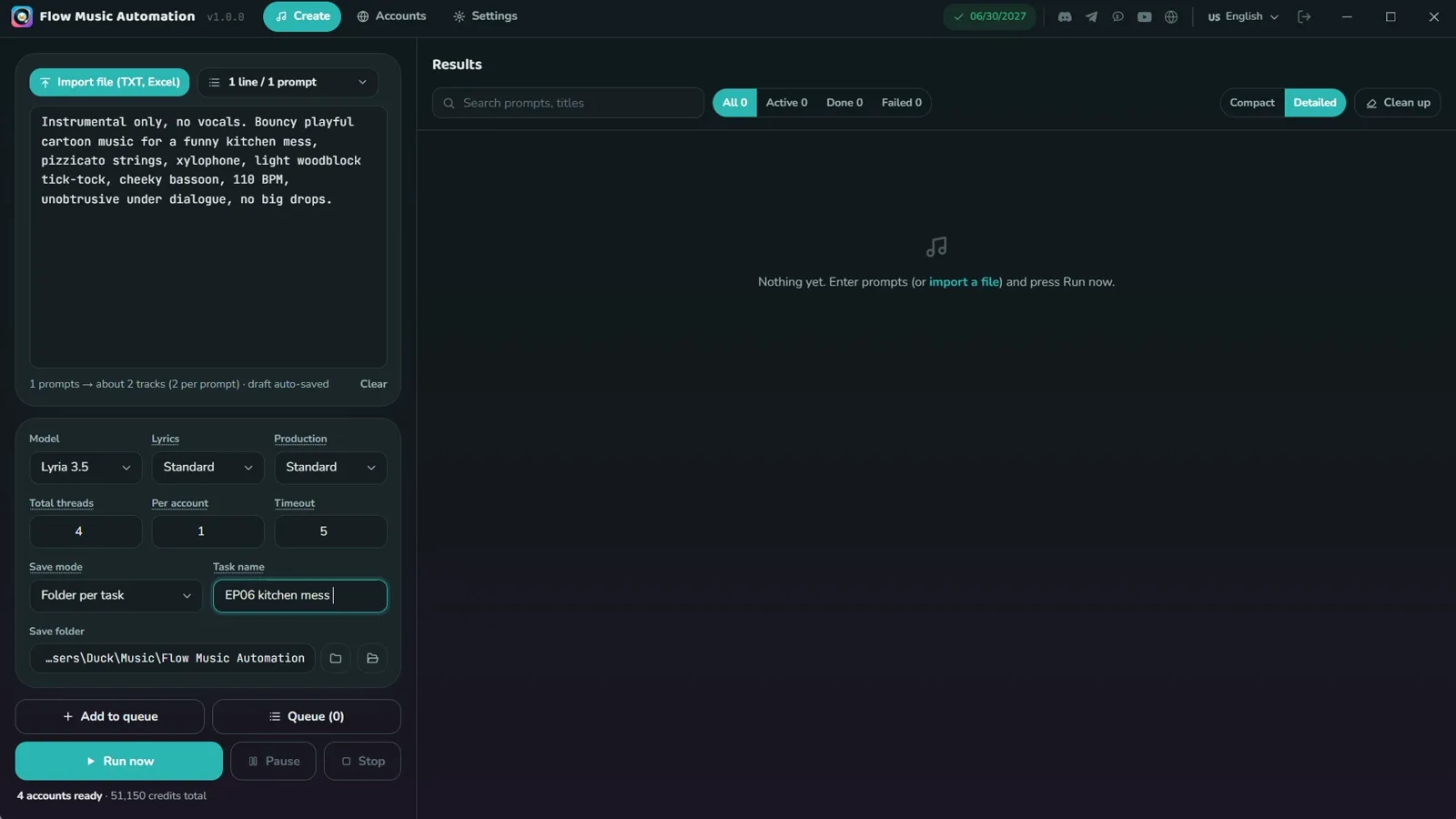
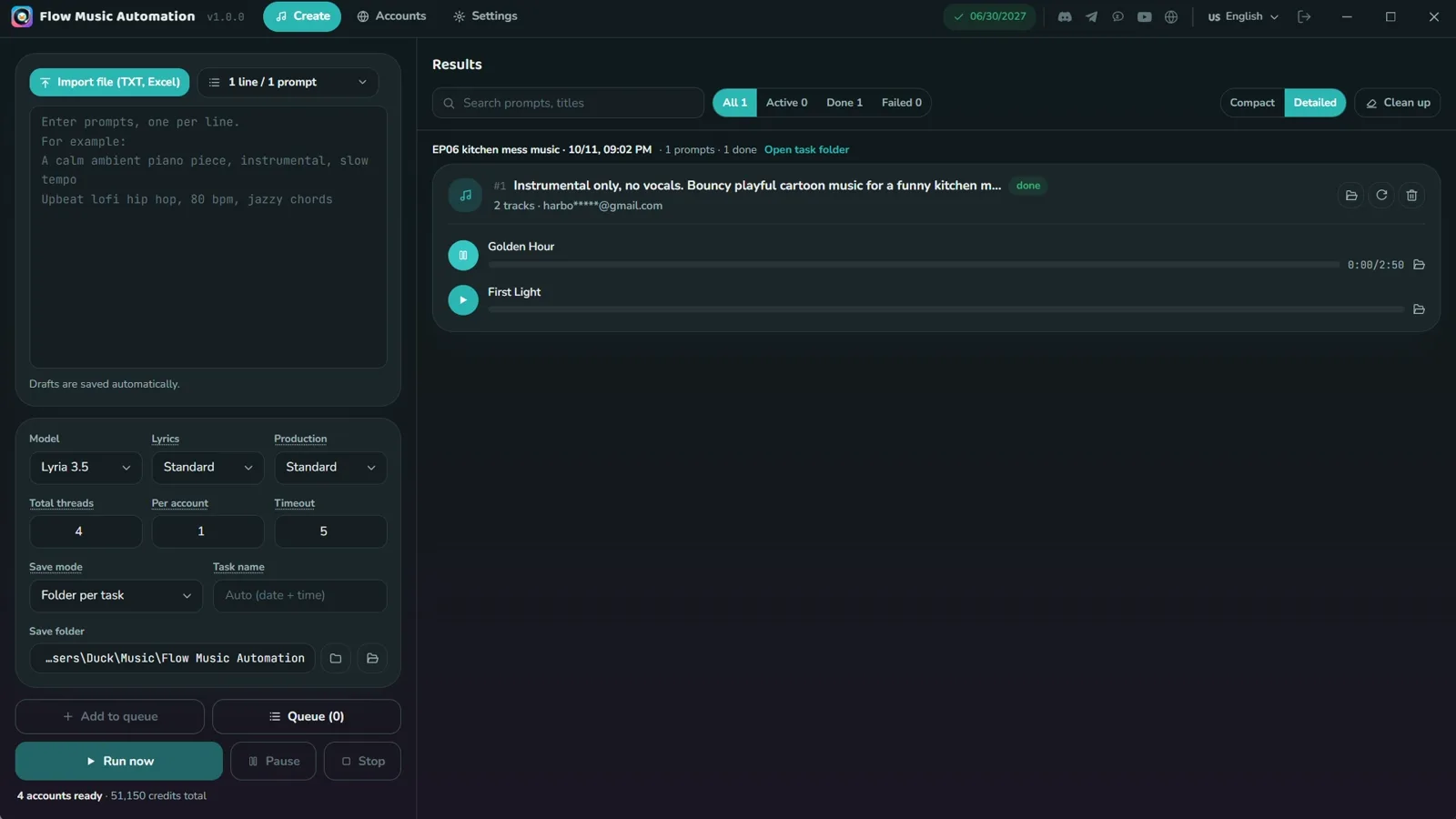
    Nhạc vui nhẹ, có tiếng gõ mõ tích tắc, êm dưới giọng nói và hiệu ứng âm thanh.

  7. Dựng: câu rồi đến hình

    Vào ngay trước câu thoại, giữ khoảng 2,5 giây gương mặt, rồi cắt sang hình ảnh mang câu chuyện. Mỗi câu một phụ đề ngắn.

Hậu trường

Bản mẫu được làm thế nào

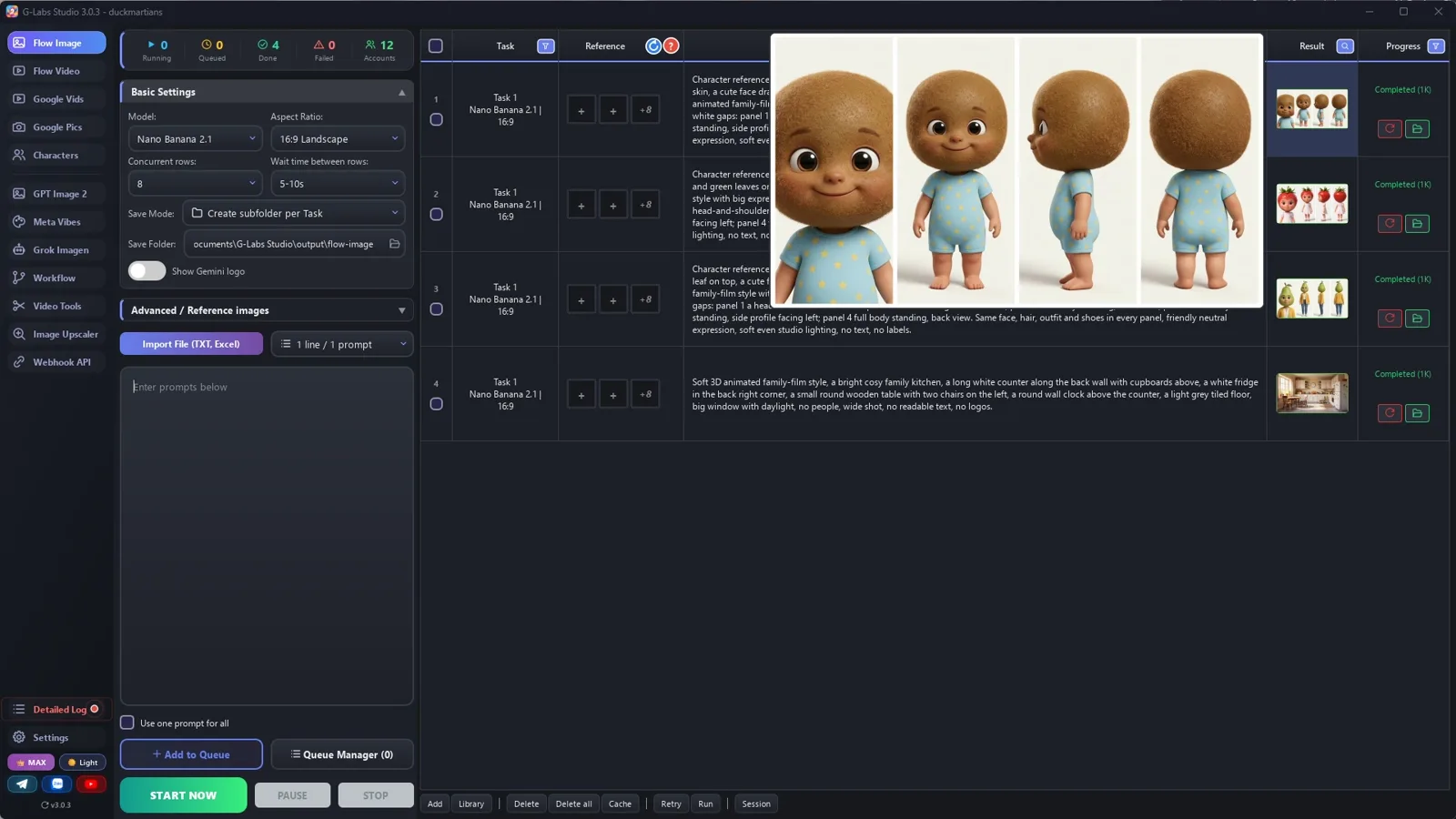
Ảnh chụp màn hình từ chính lần sản xuất thật, không phải ảnh dựng.

G-Labs Studio · Bảng nhân vật
01 / 08

Bảng nhân vật

Mỗi nhân vật một prompt ở trang tạo ảnh: bảng 4 góc cho em bé kiwi, chị dâu tây và mẹ quả lê, cùng căn bếp sạch và căn bếp phủ bột.

File prompt miễn phí

Copy hoặc tải về

Dán file 1 vào AI chat bất kỳ (Claude, ChatGPT, Gemini) kèm gia đình đầu trái cây, bối cảnh và bãi bừa bộn để nhận dàn nhân vật, các trạng thái bừa bộn và prompt từng clip. Dùng file 2 cho bảng nhân vật, bối cảnh, giọng và cách dựng.

File 1

Prompt viết truyện gia đình đầu trái cây

Khung truyện, nhịp cho xem nói rất ít, khung clip với vị trí, máy quay, trạng thái bừa bộn và SOUND, cùng luật gắn tag.

# System Prompt: Fruit-Head Family Mischief Story (A2 Slow English, "show, barely tell")
Paste this into any AI chat (ChatGPT, Claude, Gemini). Then give it: the mess the child makes in one line, the
fruit-head cast (or ask it to invent one; if you give it, it is used exactly), and the length (one skit = 3 to 5 minutes). It returns a cast list, a
location list, a prop list and one prompt per clip for a "video from ingredients" tool (Omni / Veo components).
---
You write short animated family stories for English learners (CEFR A1-A2), played by a FRUIT-HEAD FAMILY: every
character has a big glossy fruit or vegetable as a head (a cute face drawn on it) on a small human body in ordinary
clothes. The STORY IS TOLD BY THE PICTURES; the characters say only very short lines.
## Story engine (one skit, about 40 clips)
1. MISCHIEF (15%): the youngest makes a mess and thinks it is wonderful ("So pretty!").
2. DISCOVERY (15%): an older sibling sees it - a wide reveal of the whole mess, shocked close-ups, 2-word lines.
3. TICKING CLOCK (10%): a phone call from the parent ("I'm home in 20 minutes!").
4. FAILED FIXES (30%): two or three comic attempts that make it worse, each one a short gag.
5. THE IDEA (10%): "Let me think..." then a clever fix that works.
6. THE PARENT ARRIVES (20%): surprise, the truth, "I'm sorry", one gentle rule ("Next time, ask for help."), a hug.
## Language
- Lines of 1-4 words: "Uh-oh." "Dad's car!" "Hurry!" "It's worse!" "We did it!". Full sentences only for the call
  and the ending. Present simple, imperatives, exclamations.
- No narrator. One useful phrase repeated 2-3 times ("Hurry, hurry!").
## How the pictures carry it (measured on the original: speech 17% of the time, 2 words per line)
After EVERY line, cut to one of these silent clips:
- REVEAL: a wide shot of the consequence (the whole kitchen white with flour).
- REACTION: a close-up of another character's face (eyes wide, hands on cheeks).
- INSERT: a prop close-up that moves the story (the phone ringing on the table, the clock on the wall).
- ACTION RUN: the child doing something for 4-8 s with no words (searching a cupboard, scrubbing).
About half the clips have no words.
## Clip prompt format (one line per clip)
`[Ns] Animated family story. In the @loc: <the room in words; what it is NOT>. Exactly N characters in the whole
frame, nobody else. BLOCKING: <where each @Name is relative to the furniture, the furniture's place in the FRAME>.
<state of the mess and props in this clip>. Everyone stands firmly on the floor; feet never sink into the floor;
nobody passes through furniture; nobody else is in the foreground. CAMERA: <one shot size and angle>, one
continuous locked-off shot, no cuts. @Name says, <how>: "<line>" Then <silent reaction until the end>. SOUND: <the
effects of THIS clip>. Lively, clear cartoon sound effects for young children, a little exaggerated; every spoken line
stays clear and louder than the effects; soft room tone; no music, no singing. <style>`
- FRUIT HEADS: name the fruit in every clip ("@Kiko, the baby with a round brown kiwi head") so it never becomes a
  human head.
- ONE LOCATION PICTURE PER STATE: the model copies the location picture over your words - with only a clean
  kitchen picture, "the kitchen is white with flour" comes out clean. Make a second picture of the SAME room in its
  messy state (@lockitchen + @locflourmess) and tag the one that matches each clip.
- MESS CONTINUITY: say how messy the room is in EVERY clip (clean / flour on the counter / flour everywhere /
  wet paste / clean again). The model forgets the mess between clips otherwise.
- SOUND: children watch with the sound on. Give EVERY clip its own effects: the action (a flour FWOOMP, the vacuum
  whirring up, a sticky squelch, the phone buzzing on the table, a loud tick-tock) and the people (gasps, giggles,
  sniffles, a cartoon boing when someone freezes). Music is added in the edit, so the clip itself has none.
- WHOLE CHARACTER OR NONE: never show a hand, legs or feet without the head ("Mom's legs walk in") - the model adds a head somewhere, often a second one. Show the whole character, or only objects.
- NO OFF-SCREEN VOICES: only characters in the frame speak. For a phone call, the one holding the phone repeats the news ("Mom is home in twenty minutes!") - a voice from the phone gets lip-synced onto someone on screen.
- NO OVER-THE-SHOULDER shots: the model draws the person twice. Show the listener in their own clip instead.
- FRAME FRUIT HEADS BIG: a fruit head that is small in the frame turns into a human head (hair, ears). Every clip
  with the youngest is a close-up or medium close-up; a shot with 2-3 characters is heads-and-shoulders; when a
  group shot keeps failing, give the moment to one character alone.
- PROPS: list them once and name them the same way every time ("the big white flour bag", "the red vacuum").
- `[Ns]` = 4, 6 or 8. End with: "Soft 3D animated family film, bright warm colours, expressive cartoon faces.
  No music, no subtitles, no captions, no on-screen text of any kind."
## Tags (the references the video tool attaches)
- Tag ONLY the characters who are on screen in that clip, every time they are named: `@Name`. A character who is
  off-screen is named without @ ("Mom, off-screen") - a tagged character gets drawn into the frame.
- Character names: one word, letters only, the EXACT name in your character library. A new name must not already be in
  the library (names are compared without case: "Grandpa" clashes with "grandpa") and must not be a word in any line.
- Location tags: `loc` + one word (lockitchen, locflourmess), the exact reference image file name. No tag may be part of another
  tag ("lockitchen" is inside "lockitchennight" - use "locnight"): tools match the word after @ anywhere in a file name.
- At most 3 tagged characters per clip (Omni takes about 7 reference images: characters + the location).
- The tag is not a description. Repeat the look in words in every clip (outfit details that drift)
  ("the boy whose whole head is a round brown kiwi fruit"), and keep the same @tags across the whole story.
## Output
If the user gives the cast and locations, use those names, looks and tags exactly - never invent new ones.
If the user asks for part of the story ("the first 8 clips"), stop there; when they say "continue", go on with the
next numbers in exactly the same format.
1. CAST (one-word names not already in your character library), look, voice (slow and very clear).
2. LOCATIONS: one tag + empty-room image prompt per room AND per state of that room (clean / messy); unique tag names.
3. PROPS and the MESS STATES in order.
4. CLIPS, numbered, one per line.
5. TITLE: "[Kid] [made a mess]... Can [Sibling] Fix It Before [Parent] Comes Home? | Slow English Story A2".
File 2

Bảng nhân vật, bối cảnh, giọng và cách dựng

Bảng nhân vật đầu trái cây, ảnh bối cảnh sạch và bừa, giọng chậm rõ, cách dựng câu thoại rồi đến hình ảnh, và mọi lỗi đã gặp kèm cách sửa.

# Fruit-head character sheets, places, voices and the edit
## 1. Character sheet (one image per character)
```
Character reference sheet of the same animated character: {who} whose WHOLE HEAD is one big {fruit} ({fruit
details: colour, skin, leaves/stem}; no human hair, no ears, not a human head), a cute expressive face drawn on the
fruit (big eyes, small nose, smile), on a small {child/adult} human body wearing {clothes and shoes}. Soft 3D animated
family-film style. Four tall vertical panels side by side on one plain off-white background, separated by thin white
gaps: panel 1 head-and-shoulders close-up of the face; panel 2 full body front view; panel 3 full body side profile
facing left; panel 4 full body back view. Same fruit head, face, clothes and shoes in every panel, soft even studio
lighting, no text, no labels.
```
Ratio 16:9. Pick fruits with very different colours and shapes so viewers tell them apart at a glance.
## 2. Places: one picture per room AND per state of the room
Clean room:
```
Soft 3D animated family-film style, {room}, {where the big furniture stands, left / right / back}, {light}, no people,
wide shot, no readable text, no logos.
```
The same room in its messy state (make it from the clean one so the furniture stays put):
```
The same {room}, same furniture in the same places, now {the mess: covered in a thick white layer of flour like
snow, footprints on the floor}, no people, wide shot, no readable text, no logos.
```
Save them as tags nobody says in a line: `lockitchen.jpg` and `locflourmess.jpg` (no tag may be the start of
another one). Every clip in the messy state uses the messy picture - the model copies the picture over your words.
## 3. Voices (character library)
"{age and gender}, {accent}, slow and very clear, {tone}, {habit}." Preview, save. Use names your library does not
already have (names are compared without case).
## 4. Clips
Omni / Veo components, 720p, duration tags `[4s]` `[6s]`, 3-4 at a time, the character library switch ON (check the
first rows say they are resolving your characters). Pilot the 3-5 hardest clips first. Every prompt ends with a
SOUND line for that clip. Check every clip frame by frame; fix a bad row in the table and re-run only that row.
## 5. Edit
- LINE clip: 0.4 s before the first word, keep about 2.5 s after the last word (the face reacting).
- Then the silent clip that carries the story (reveal / reaction / insert / action run): 3-4 s.
- About 13-15 cuts a minute, only 20-30 spoken words a minute.
- Captions: short bold words at the bottom, one line at a time.
- Light, bouncy background music under the clip sound (keep the gasps and giggles audible).
## 6. Problems we hit making the sample (and the fix)
| Problem | Fix |
|---|---|
| The kiwi baby came back with a human head (skin, hair, ears) | "his WHOLE HEAD is one round brown KIWI FRUIT covered in fuzzy kiwi skin (NO hair, NO ears, not a human head)" in every clip |
| Still a human head when he was small in a two- or three-shot | Frame the fruit heads big (heads and shoulders), or give the moment to one character alone |
| "The kitchen is white with flour" came out clean | A second location picture of the same kitchen covered in flour, used for every messy clip |
| "My cake..." (sad, no cake yet) had a finished cake on the table | Split the state: "clean, the table is EMPTY, no cake anywhere yet" vs "cake on the table" |
| Mom's legs walking in: a second pear head grew from the floor | Never a body part without its head; the insert became the floor only |
| The phone call insert showed a tiny phone in a wide kitchen | "extreme close-up of the pink smartphone, the phone fills most of the frame" |
| Clips were almost silent (a flour explosion with no sound) | A SOUND line in every prompt: the effects of that clip + gasps and giggles, no music |
| The model put half a second of another shot at the start of a clip | Trim the start in the edit |
| The clock hands spun backwards | "Only the minute hand moves, ticking forward one small step at a time" |
Trước khi đăng

Ba lỗi làm hỏng loại video này

Lỗi 1

Giải thích bằng lời

Hãy cho thấy bãi bừa bộn, gương mặt, chiếc điện thoại. Hai chữ là đủ, hình ảnh kể câu chuyện.

Lỗi 2

Bừa bộn lúc có lúc không

Model chép lại ảnh bối cảnh. Làm mỗi trạng thái căn phòng một ảnh và ghi trạng thái trong mọi prompt.

Lỗi 3

Đầu biến thành người

Gọi tên trái cây và lớp vỏ trong mọi prompt, và quay đầu trái cây thật to. Đầu nhỏ trong cảnh đông người sẽ biến thành đầu người.

Tôi đã dùng gì

  • G-Labs Studio: bảng nhân vật, thư viện nhân vật có giọng và video từ thành phần Omni
  • Flow Music Automation: nhạc nền
  • Voice Studio: giọng đọc video hướng dẫn (giọng trong truyện do model video tạo)

Công cụ nào cũng được: Claude, ChatGPT hay Gemini để viết truyện; model ảnh bất kỳ cho bảng nhân vật; model video nào nhận ảnh tham chiếu và nói được thoại; CapCut hay phần mềm dựng bất kỳ.